EUt+ Clusters – TU-Sofia’s Contribution to the Future of European Technology Education
EUt+ Clusters – TU-Sofia’s Contribution to the Future of European Technology Education
Share
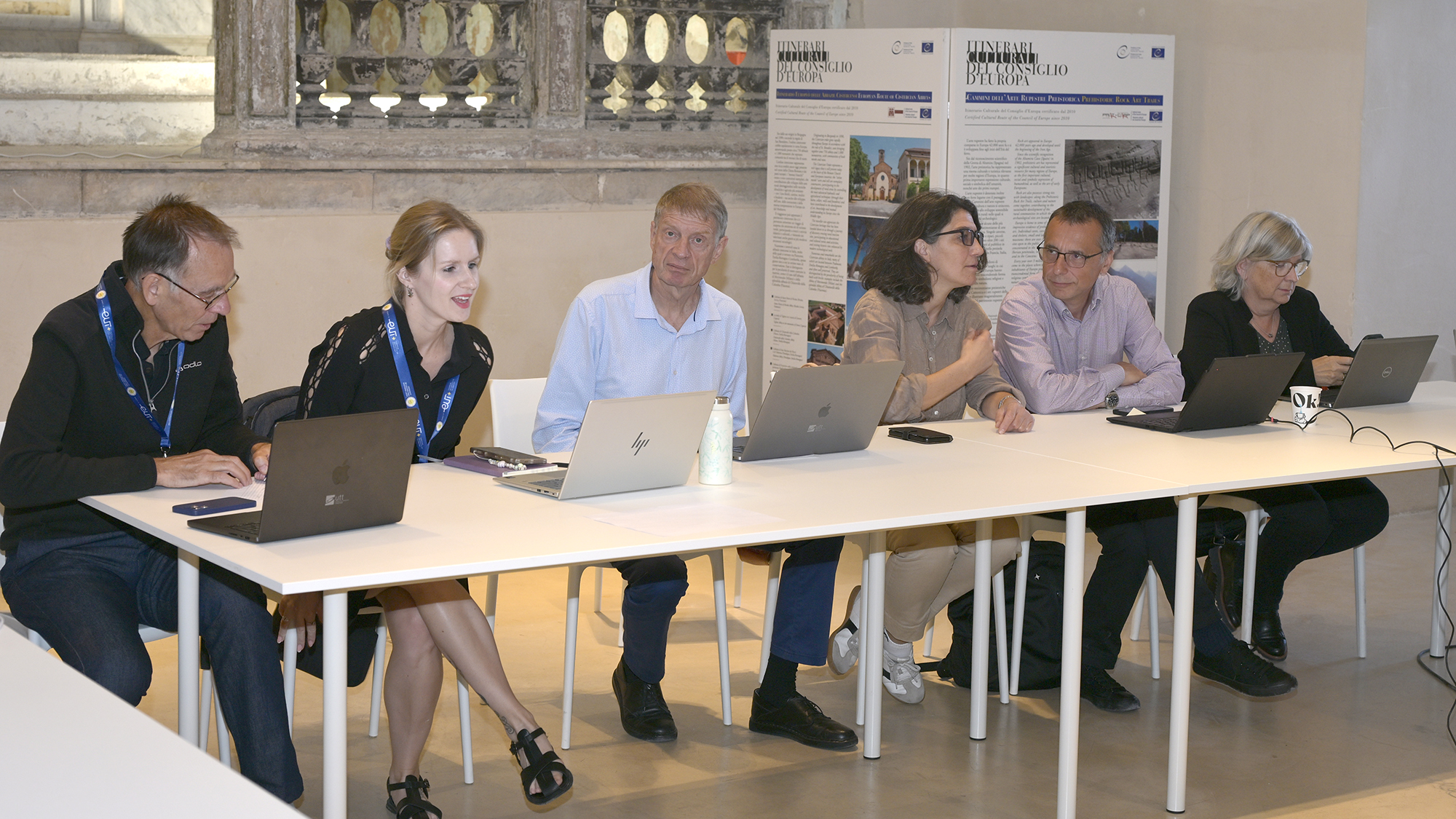
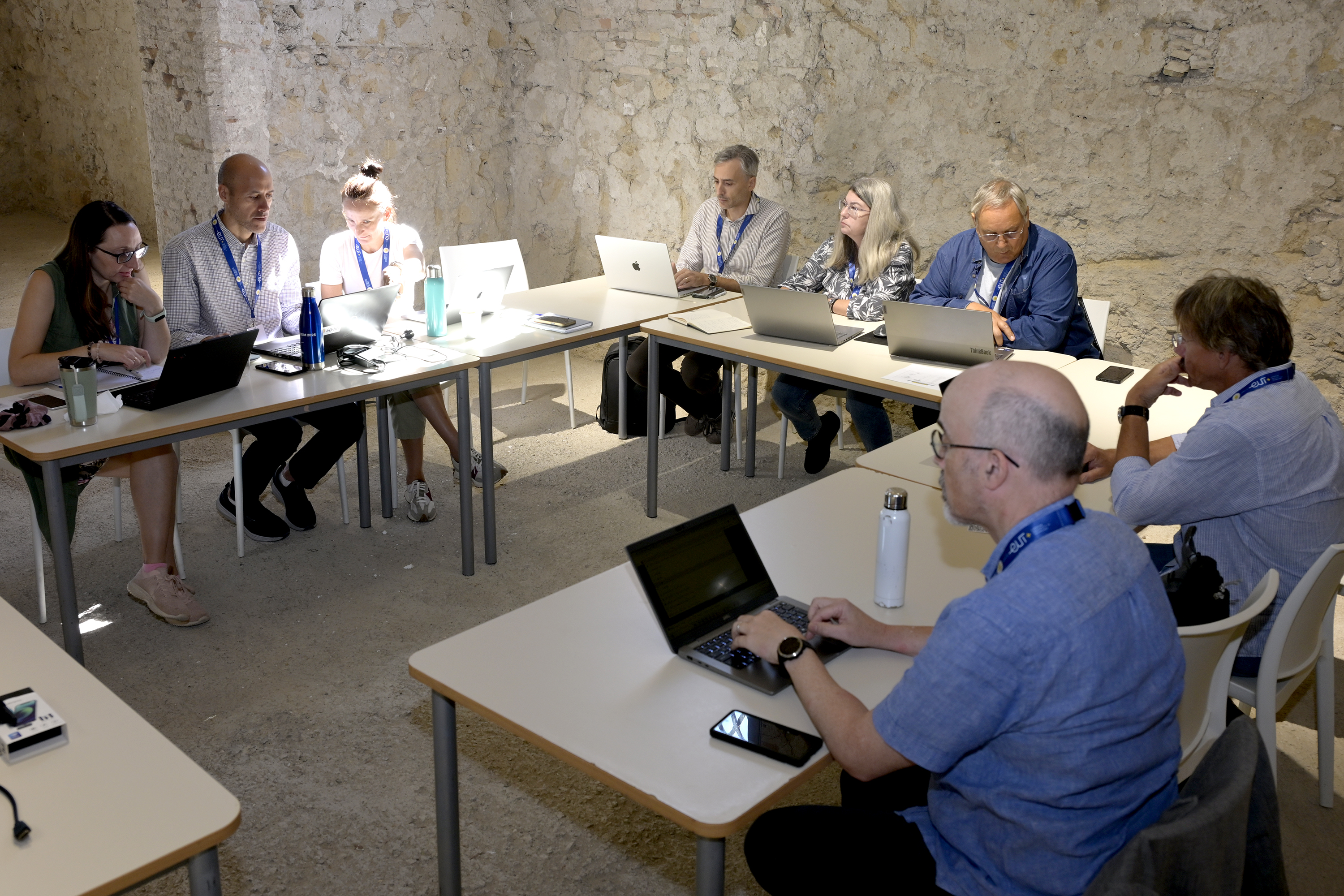
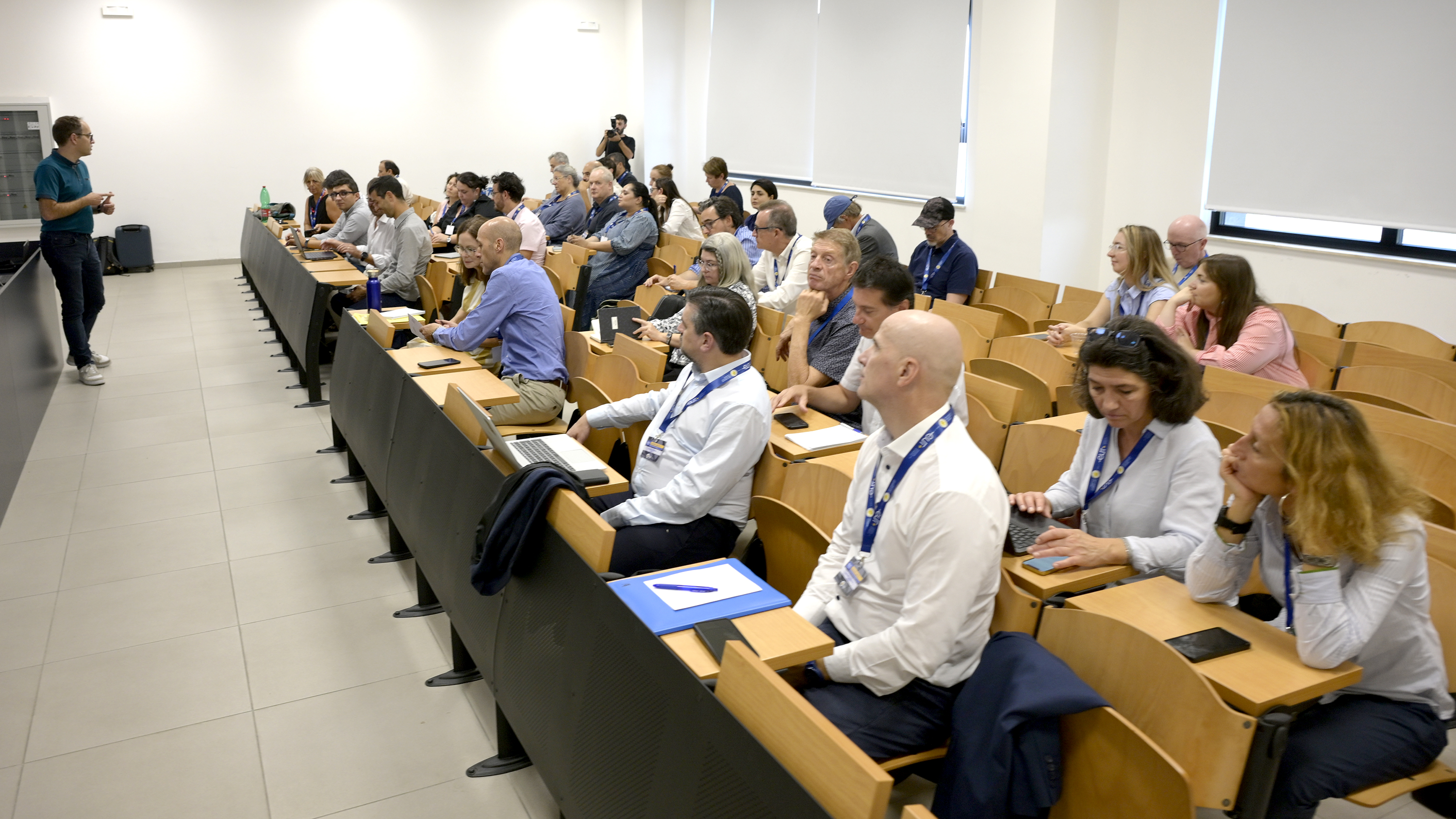
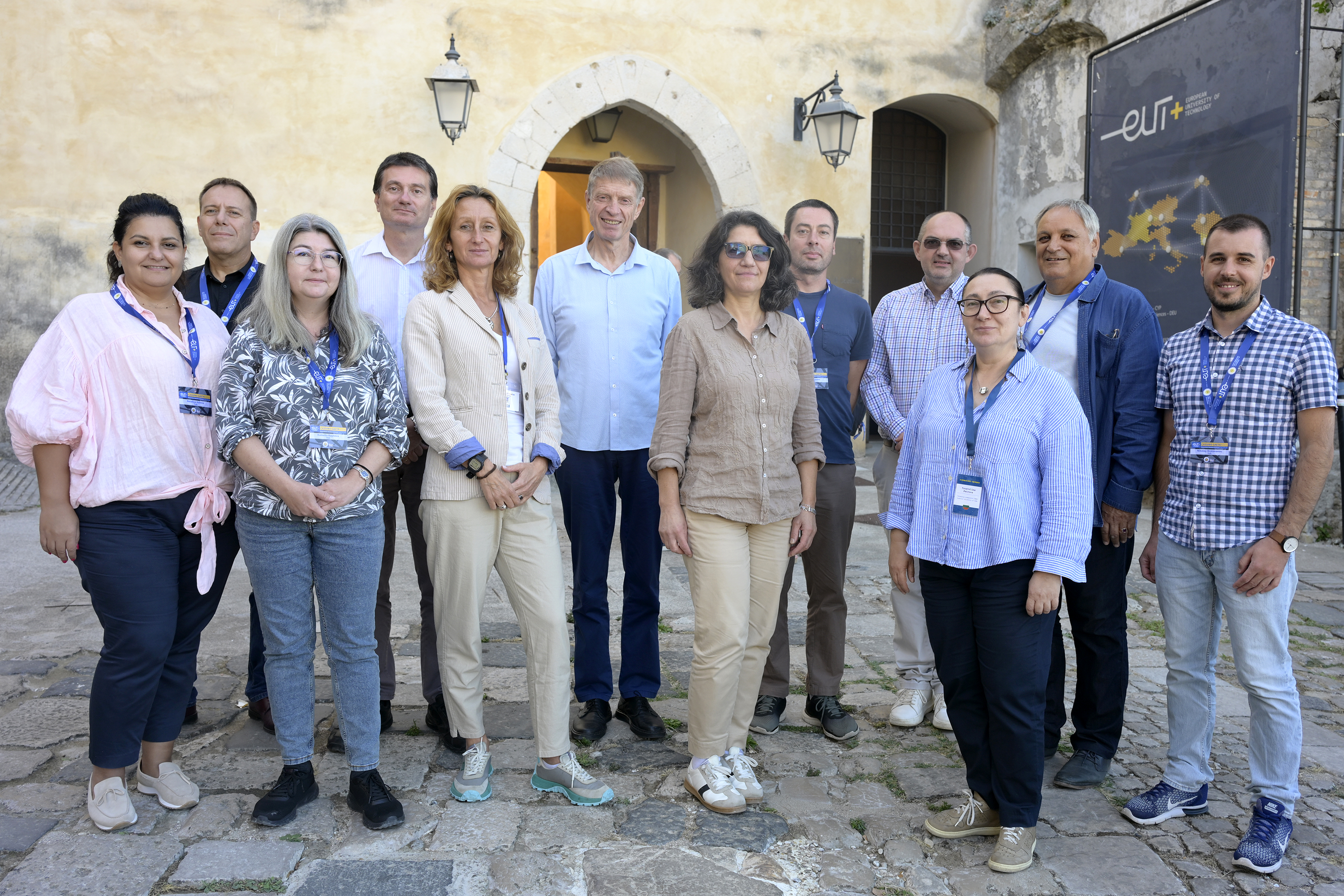
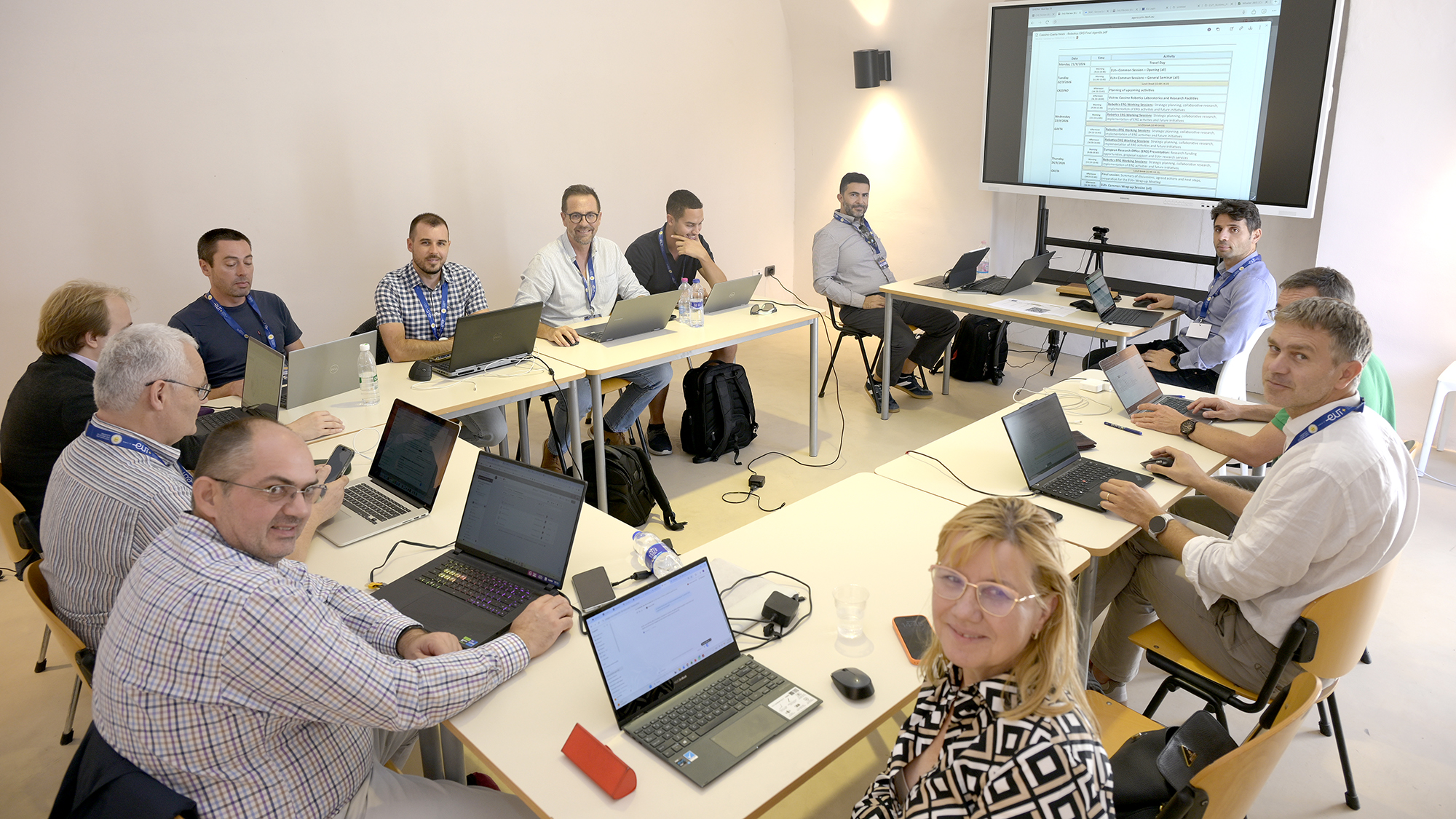
From 21 to 25 September 2026, the University of Cassino and Southern Lazio hosted the EUt+ working week under the theme “Mapping Pathways for Education and Research”.
Representatives of the Technical University of Sofia (TU-Sofia) actively contributed to the discussions and working sessions. Their work focused on the development of the educational clusters, curricula, Mobility Maps, Final Learning Outcomes (FLOs), and practical opportunities for student mobility.
The growing links between the nine technology-oriented universities point towards a broader process of European integration in education and research. Increasingly, the expertise, resources and academic capacities of the partners are being seen as a shared European asset.
For TU-Sofia, this means more than taking part in individual initiatives. It is an opportunity to contribute its expertise and practical experience to the development of a stronger, more flexible and more connected European model of technology education.
Clusters – building horizontal links between universities
Clusters are one of the key mechanisms through which this integration is taking shape. They bring together academics, faculties and educational programmes from different universities around common fields of knowledge.
For example, Computer Science departments and academic units can work together across institutional boundaries, regardless of which university they belong to. The same principle can be applied to other academic fields.
The aim is not for all nine universities to offer the same programmes. Their strength lies precisely in their different profiles and areas of expertise. Clusters create the conditions for these strengths to complement one another and become a shared European resource.
This horizontal structure can support better alignment of curricula, broader access to academic expertise and more flexible opportunities for student mobility.
Computer Science – developing a common academic framework
Within the Computer Science Bachelor cluster, participants updated the Mobility Maps and curricula, reviewed student mobility opportunities, and worked on proposals for revising the Final Learning Outcomes (FLOs).
FLOs provide a common reference point for comparing programmes across universities. For students, this gradually shifts the focus from the question, “What courses does this university offer?” to a more meaningful one: “What competences can I develop, and where within EUt+ can I acquire them?”
This is an important step towards a more flexible European education model, in which students can draw on the academic strengths of several partner universities.
Business, Economics and Technology – making mobility work in practice
The Business, Economics and Technology (BET) cluster focused on one of the most practical questions facing EUt+: how can student mobility become a genuine part of the study experience?
The cluster’s Mobility Map was tested in the EUt+ Mobility Tool, and the partners developed a model in which each university offers at least one semester with a coherent set of courses. The student’s home university then adapts the study plan so that the semester abroad fits naturally into the student’s degree programme.
This approach addresses one of the main practical challenges of mobility: students need enough courses and ECTS credits to complete a meaningful period of study, while ensuring that the results are recognised within their home programme.
The next step is to develop the Mobility Map beyond a catalogue of individual courses and turn it into a tool for building complete academic pathways. This requires a sufficiently broad selection of courses, clear recognition arrangements, and genuine access to courses delivered in English.
The BET cluster also linked its work on mobility to the requirements for the EUt+ Certificate and the European Degree, placing student mobility within the broader development of European education.
Connecting education and research
The same effort to connect expertise and resources is also taking shape in research.
The Research Committee discussed the creation of a common platform providing information on the equipment and research infrastructure available across the nine universities. Research groups are developing shared resources and joint initiatives, while the European Sustainability Science Lab (ESSL) and Robotics ERG are working on new research projects, joint initiatives and opportunities for European funding.
These developments can strengthen the links between education and research. In the future, mobility could give students access not only to courses at another EUt+ university, but also to laboratories, research groups, joint projects, thesis opportunities and doctoral research.
Clusters are one of the practical mechanisms through which this broader European academic environment is beginning to take shape.
The next step
The next priority is to build on what has already been achieved: making information from all nine universities complete and comparable, expanding genuine opportunities for semester-long mobility, making credit recognition easier, and strengthening the links between education and research.
TU-Sofia’s participation in the September 2026 EUt+ working week demonstrates the active contribution of the Bulgarian partner to this process. The experience gained through the cluster work enables TU-Sofia to bring practical perspectives to issues such as curriculum compatibility, sufficient ECTS provision, recognition of learning outcomes, and access to courses for international students.
The value of this cooperation ultimately lies in what it can offer students: a wider choice of learning opportunities, access to a broader range of academic expertise, laboratories and research resources, and greater flexibility in shaping their individual educational pathways.
The work of the clusters shows that EUt+ is gradually moving beyond a collection of individual initiatives towards a more closely connected European academic system.
The long-term goal is for the nine universities to become increasingly connected within a shared European academic space – one in which their differences are not barriers, but a source of collective strength and new opportunities for the future of technology education.

![[BG] Студентите в София могат да кандидатстват за иновативната образователна програма GEN I по модела на Станфордския университет](https://i.d3v.cloud.tu-sofia.bg/U9Tp8h6a4yqb75FRDLUoE09fR7OEDlIkXfMxnFxIT-Y/rs:fit:1200/plain/s3://website/articles/OwaAjQZEZn1RHscvLyfAfIb1Xw1t0XNKwHYQa0cu.jpg@webp)
![[BG] Обновена учебна база във Факултета по транспорта на Техническия университет – София с помощта на „СОФ Кънект“](https://i.d3v.cloud.tu-sofia.bg/ZyMELqmvkMVc9XptM9ZO0-hZg7Nx-oDhou_V_1rbS-s/rs:fit:1200/plain/s3://website/articles/h2IRlSEGghGuHbL3TtPtGq9zP6nyBVIHOfeXGk2Y.jpg@webp)